Why Interactive Stories Are the Best Way to Teach Empathy to Young Kids
Why Interactive Stories Are the Best Way to Teach Empathy to Young Kids
We all want our little ones to grow up kind, understanding, and able to see things from someone else's point of view. Empathy doesn't just happen overnight—it's a skill that builds slowly, especially in those tender preschool and early elementary years (ages 4–7). And while there are many ways to nurture it, interactive stories stand out as one of the gentlest, most effective paths.
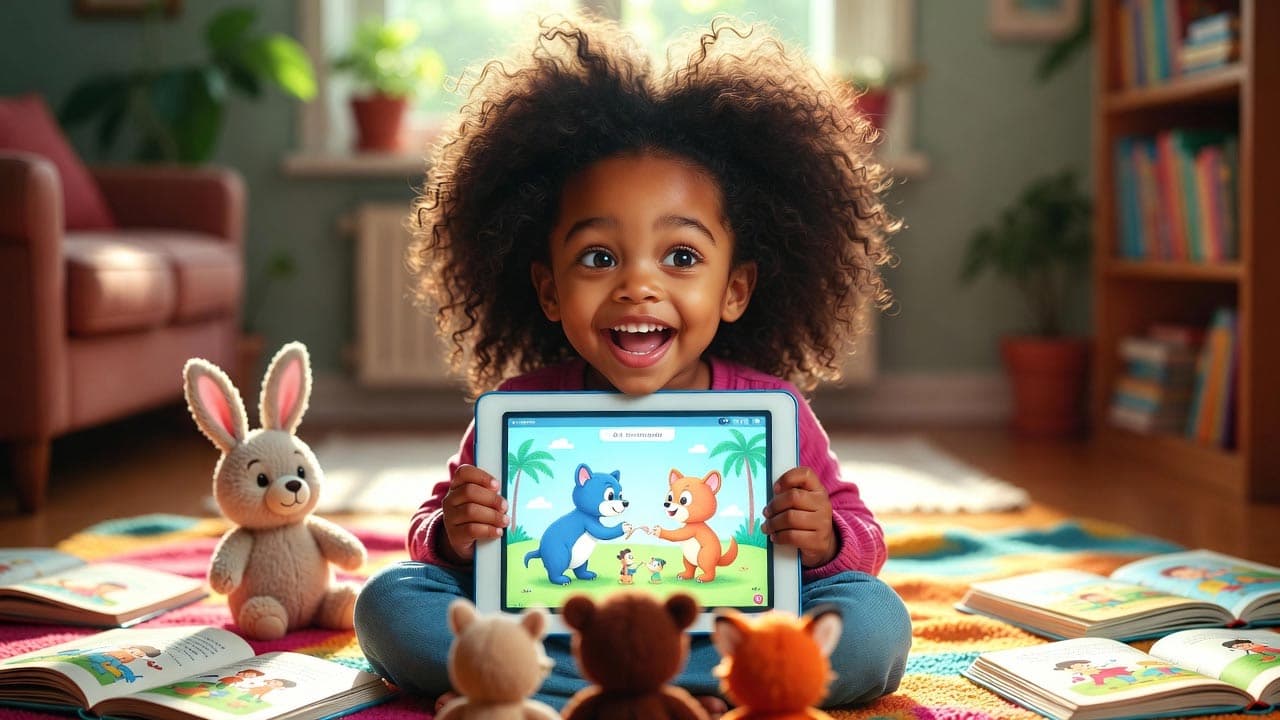
Why? Because stories let children step into someone else's shoes safely. When the experience is interactive—gentle page turns, soft taps, warm narration—they're not just listening; they're participating. They feel part of the character's world, which makes the lessons of kindness and compassion sink in deeper. No lectures needed, just quiet moments of connection that help kids recognize feelings in others (and themselves).
Research backs this up: Reading stories, especially ones with diverse characters and emotional depth, helps children develop perspective-taking and emotional understanding. Interactive elements add an extra layer—kids actively engage, which boosts retention and makes empathy feel real and personal.
How Stories Naturally Build Empathy in Young Minds
At 4–7, children's brains are wired for imagination and social learning. When they hear about a character facing a challenge—like feeling left out, sharing during tough times, or helping a friend—they start to "try on" those emotions.
Simple questions during or after the story—"How do you think the little piglet felt when the storm came?" or "What would you do if your friend needed help?"—guide them to perspective-taking. Studies show this practice strengthens cognitive empathy (understanding others' feelings) and even reduces bias toward those who seem different.
Traditional books do this beautifully, but interactive stories take it further. The gentle engagement—turning pages that "flip" like a real book, tapping to reveal a small surprise—keeps attention focused without overwhelming. Kids stay immersed longer, giving more time for those emotional lessons to land.
What Makes Interactive Stories Especially Powerful for Empathy
Unlike passive videos or games with loud rewards, interactive stories designed for young kids emphasize calm and connection:
- Soft, grandma-like narration helps children tune into emotions at a soothing pace, almost like ASMR for the heart.
- Gentle touch interactions (a tap to wave hello or help a character) make kids feel like active helpers, reinforcing kindness in action.
- Real page-turn flips create that satisfying book-like feel, building the habit of reading while modeling patience and focus.
- Themes of inclusion, resilience, and generosity mirror everyday feelings—differences, storms of emotion, friendship ups and downs—making empathy relatable.
When children interact with characters who show compassion (even to those who are "different"), they practice it in a low-stakes way. Over time, that practice shows up in real life: sharing toys more willingly, comforting a sad friend, or including someone left out.
Everyday Ways to Use Interactive Stories for Empathy Building
You don't need a special setup—just a few mindful moments:
- Co-read together — Snuggle up and pause at emotional parts. Ask gentle questions: "How does that make the bunny feel?" or "What would make them happy?"
- Follow their lead — If they tap a character and smile, talk about why that felt good. It turns the story into a conversation about feelings.
- Reflect after — A quick "What was your favorite kind thing in the story?" helps connect the dots to real life.
- Keep it calm — Choose ad-free, slow-paced options so the focus stays on emotions, not excitement.
- Mix with real-life moments — After a story about helping in tough times, notice kindness in the day: "Remember how the piglet shared? You did that with your sister today!"
These small habits add up. Parents often notice their kids start naming feelings more easily or showing more patience—little signs that empathy is growing.
You're Already Helping—Keep Going Gently
Teaching empathy isn't about perfection; it's about creating safe spaces for kids to explore feelings. Interactive stories offer one of the kindest ways to do that—combining the magic of books with just enough engagement to make lessons stick.
If you're looking for stories built around these ideas (gentle narration, empathy themes, no ads or subscriptions), a free 9-page sample can be a simple way to try it out—no commitment, just a cozy story moment.
Try a free teaser here — it might become your child's new favorite way to practice kindness.
Here's to raising little hearts that care deeply. You're doing beautiful work, one story at a time.
Shared with warmth from one parent to another at Ougalaxy
Recent Posts

How to Get Your Kid to Eat Broccoli (Without the Dinner-Table Battle)
Jun 25

Why More Parents Are Choosing One-Time Purchase Kids Stories in 2026
Feb 25

How a Soft Narrated Voice Helps Kids Relax and Love Story Time
Feb 19

The Real Difference: Interactive Stories vs Traditional Books for Ages 4–7
Feb 19

6 Positive Screen Time Ideas Parents Actually Feel Good About
Feb 12